
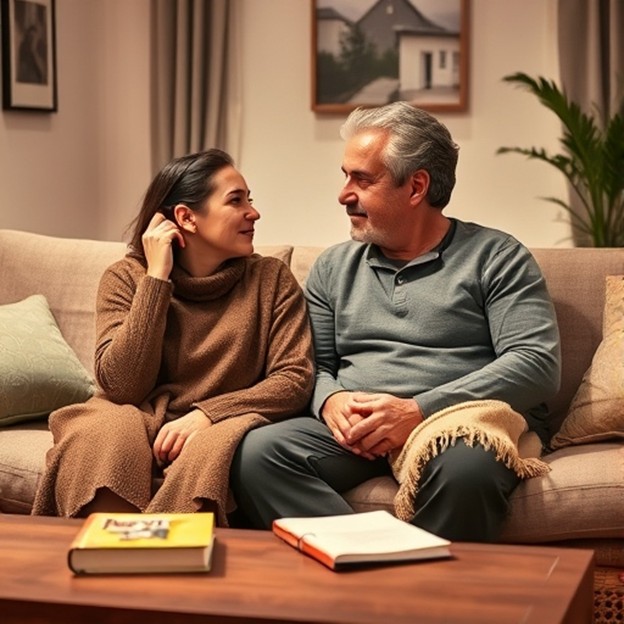
Relationship anxiety can be challenging, not only for the person experiencing it but also for their partner. If you’re dating someone who is demonstrating signs of relationship anxiety, it’s essential to approach the situation with empathy, understanding, and patience. By recognizing the signs of relationship anxiety, learning how to support your partner, and maintaining your own emotional well-being, you can navigate this difficult journey together. In this blog post, we’ll explore how to deal with a partner who has relationship anxiety, provide tips on identifying the signs, and offer thought-provoking questions to help you determine if you can manage this situation. Remember, this is not about you—do not take ownership of your partner’s anxiety.
Signs of Relationship Anxiety
Understanding the signs of relationship anxiety can help you recognize if your partner is experiencing it. Relationship anxiety can manifest in various ways, and knowing what to look for is the first step toward offering support.
Common Signs of Relationship Anxiety:
- Constant Need for Reassurance:
- Your partner frequently seeks validation and reassurance about your feelings and the relationship’s stability.
- Overthinking and Overanalyzing:
- They tend to overthink and overanalyze your interactions, looking for hidden meanings or signs of trouble.
- Fear of Rejection or Abandonment:
- They have an intense fear of being rejected or abandoned, which may lead to clingy or controlling behaviors.
- Jealousy and Insecurity:
- They may exhibit jealousy and insecurity, often feeling threatened by your interactions with others.
- Avoidance of Intimacy:
- Paradoxically, they may also avoid emotional or physical intimacy out of fear of getting hurt.
- Emotional Roller Coaster:
- Their emotions may fluctuate rapidly, swinging from extreme affection to doubt and anxiety.
How to Tell If Your Partner Has Relationship Anxiety
Recognizing relationship anxiety in your partner involves observing their behavior and understanding their emotional responses. Here are some ways to tell if your partner has relationship anxiety:
- Frequent Requests for Reassurance:
- Notice if your partner frequently asks for reassurance about your feelings and the relationship’s status.
- Obsessive Thoughts and Worries:
- Pay attention to whether your partner obsessively worries about the relationship and overthinks your interactions.
- Fear of Vulnerability:
- Observe if your partner has difficulty being vulnerable and open with you, often fearing rejection or abandonment.
- Jealousy and Possessiveness:
- Notice if your partner exhibits signs of jealousy and possessiveness, feeling insecure about your interactions with others.
- Inconsistent Behavior:
- Watch for inconsistent behavior, such as sudden shifts in mood and affection, often driven by anxiety and fear.
Thought-Provoking Questions to Help You Decide If You Can Manage This
Dealing with a partner who has relationship anxiety requires patience, empathy, and emotional resilience. Reflecting on your own feelings and capabilities can help you determine if you can manage this situation.
Questions to Ask Yourself:
- Am I emotionally prepared to support my partner through their anxiety?
- Reflect on your emotional readiness and resilience. Are you prepared to offer the support and understanding your partner needs?
- Can I maintain my own emotional well-being while supporting my partner?
- Consider whether you can balance supporting your partner with taking care of your own emotional health. It’s essential to avoid burnout and emotional exhaustion.
- Do I have the patience and empathy to navigate their anxiety?
- Reflect on your capacity for patience and empathy. Are you willing to navigate the ups and downs of their anxiety without taking it personally?
- Can I set and maintain healthy boundaries?
- Consider whether you can set and maintain healthy boundaries to protect your emotional well-being while supporting your partner.
- Am I willing to seek professional help if needed?
- Reflect on your openness to seeking professional help, such as couples therapy, to address relationship anxiety. Are you both willing to work together with a therapist?
Tips for Supporting Your Partner
Supporting a partner with relationship anxiety involves empathy, communication, and patience. Here are some tips to help you navigate this journey:
- Communicate Openly and Honestly:
- Encourage open and honest communication about their feelings and concerns. Create a safe space for them to express their emotions without judgment.
- Offer Reassurance:
- Provide consistent reassurance about your feelings and the relationship’s stability. Affirm your commitment and love regularly.
- Encourage Professional Help:
- Suggest seeking professional help, such as therapy or counseling, to address their anxiety. Professional support can provide valuable tools and strategies for managing anxiety.
- Practice Patience and Empathy:
- Be patient and empathetic towards your partner. Understand that their anxiety is not about you; it’s a reflection of their internal struggles.
- Set Healthy Boundaries:
- Establish and maintain healthy boundaries to protect your emotional well-being. Communicate your boundaries clearly and respectfully.
- Engage in Shared Activities:
- Engage in activities that promote connection and bonding. Shared experiences can strengthen your relationship and provide a sense of security.
Remember, This Is Not About You
It’s essential to remember that your partner’s relationship anxiety is not about you. Their anxiety is rooted in their own insecurities and fears, and it’s not a reflection of your worth or value as a partner. Avoid taking ownership of their anxiety and focus on offering support while maintaining your own emotional well-being.
Conclusion
Dealing with a partner who is demonstrating relationship anxiety requires empathy, patience, and understanding. By recognizing the signs of relationship anxiety, supporting your partner with open communication and reassurance, and maintaining your own emotional well-being, you can navigate this challenging journey together. Remember, you don’t have to do this alone. Seeking professional help and support can provide valuable insights and strategies for managing relationship anxiety.
Struggling to support a partner with relationship anxiety and unsure how to proceed?
You don’t have to navigate this journey alone. Reach out to Dr. Jen for a coffee date—a free, compassionate consultation where you can share your thoughts and explore your feelings together. This loving and safe space is where your challenges are understood, and your path toward clarity and peace is supported with empathy.
Take the first step towards managing relationship anxiety and finding support. You don’t have to face this difficult journey by yourself. Schedule your coffee break with Dr. Jen today and start your path to healing and understanding.